This project developed engineering designs for a fish-passable irrigation diversion and fish screen on West Tule Creek, a tributary to Hayfork Creek in Trinity County, to restore 1.5 miles of upstream spawning and rearing habitat for Chinook salmon, coho salmon, steelhead, and Pacific lamprey, while also improving instream flows through water transaction and irrigation efficiency upgrades on the Evans Ranch.
Location: West Tule Creek, a tributary to Hayfork Creek in the South Fork Trinity River watershed, Trinity County. The project site is the Evans Ranch Diversion, located on U.S. Forest Service land approximately 1.67 miles upstream from the confluence with Hayfork Creek. Hayfork Creek flows into the South Fork Trinity River, which joins the mainstem Trinity River, a major tributary of the Klamath River.
Historical Fish Presence: West Tule Creek and the broader Hayfork Basin support Chinook salmon, coho salmon, steelhead trout (O. mykiss), and Pacific lamprey. Fish passage barriers are prolific throughout the Hayfork Basin, consisting of irrigation diversions, culvert crossings, and concrete sills, restricting 1.5 miles of anadromous habitat during various salmonid life stages.
Project Lead: The Watershed Research and Training Center (WRTC), Hayfork, CA
Project Partners: Cascade Stream Solutions/Joey Howard (Engineering), The Nature Conservancy (concept development and landowner outreach), Watercourse Engineering (W3T flow modeling), Cindy Buxton and Samantha Chilcote (fisheries monitoring), U.S. Forest Service, Alvord Environmental (1707 water right dedication), Evans Ranch (landowner/diverter)
CFPF Funding: $15,301.13
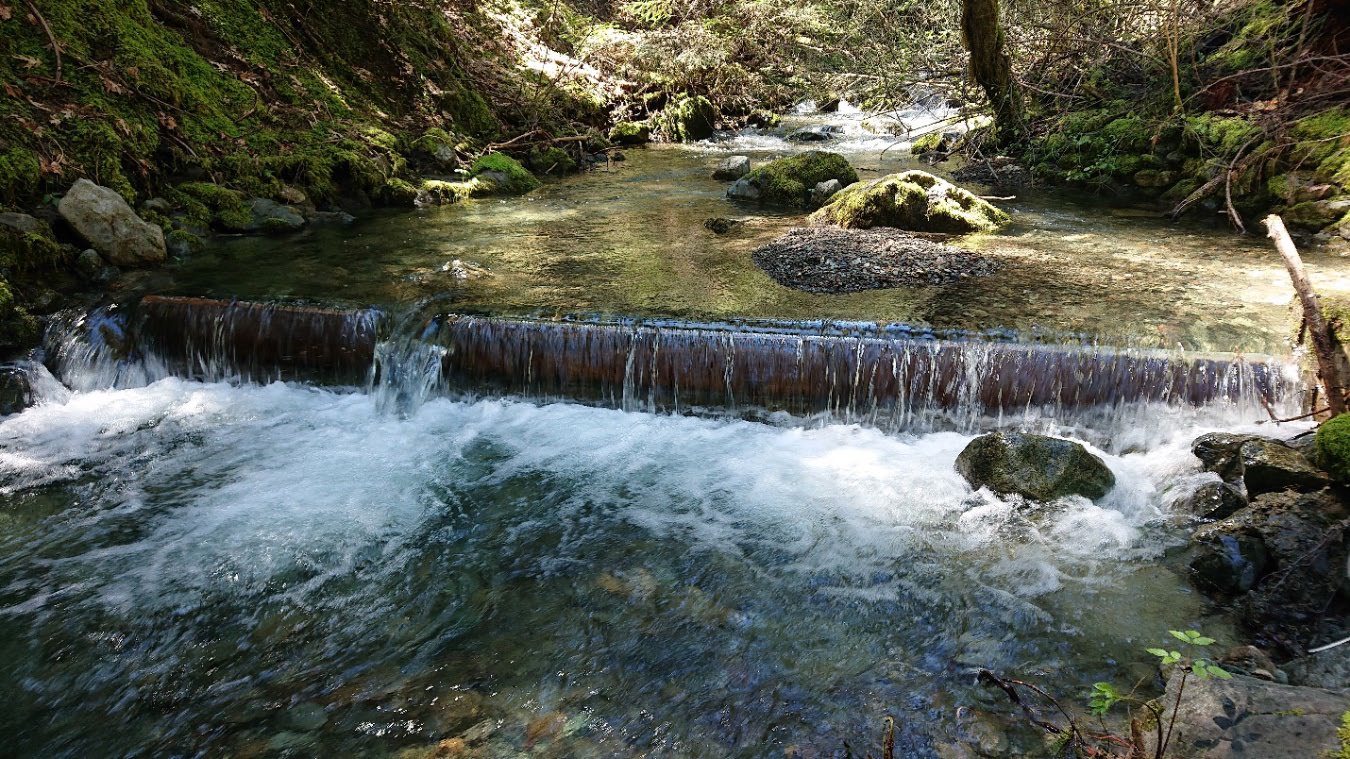
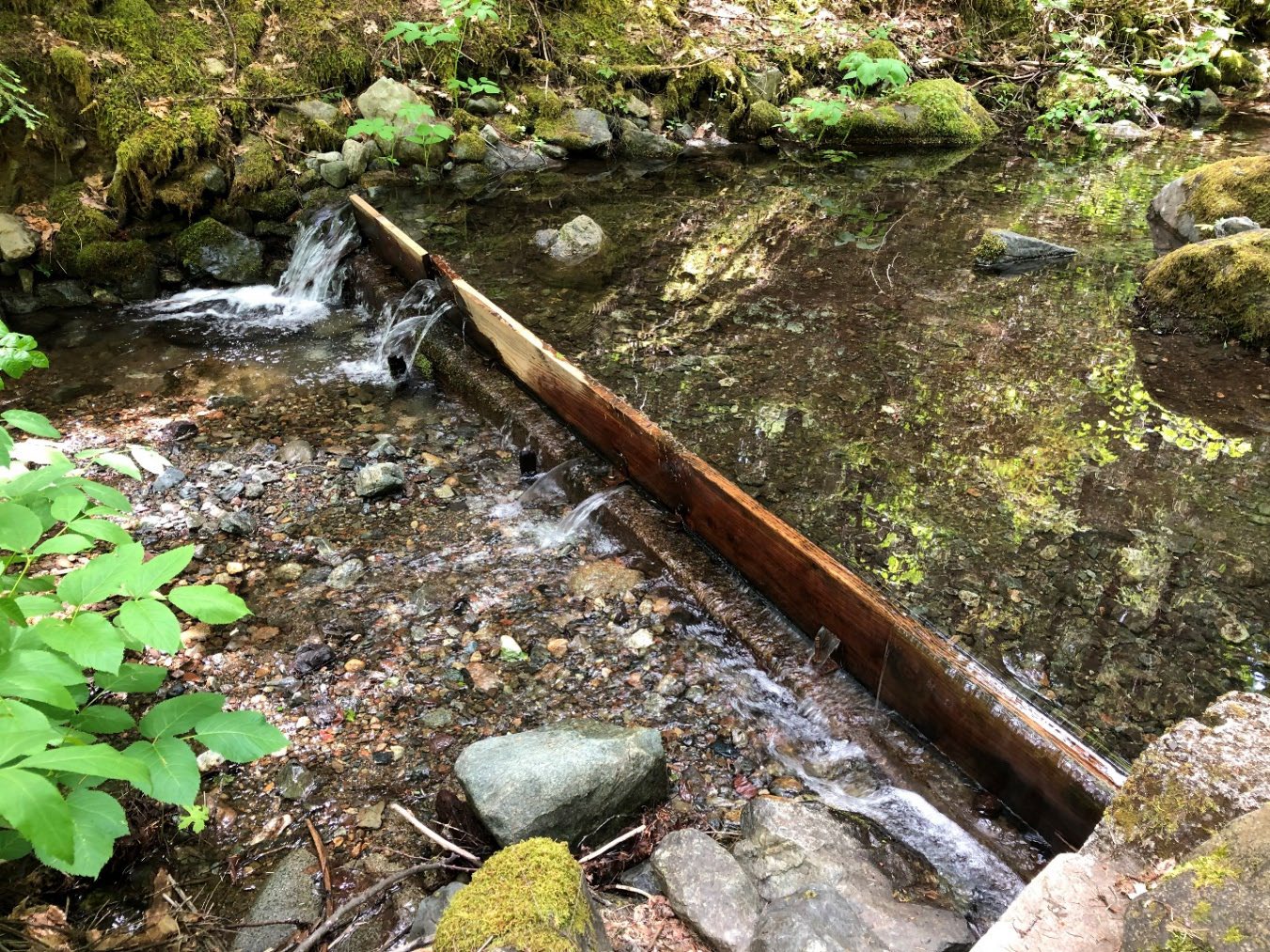
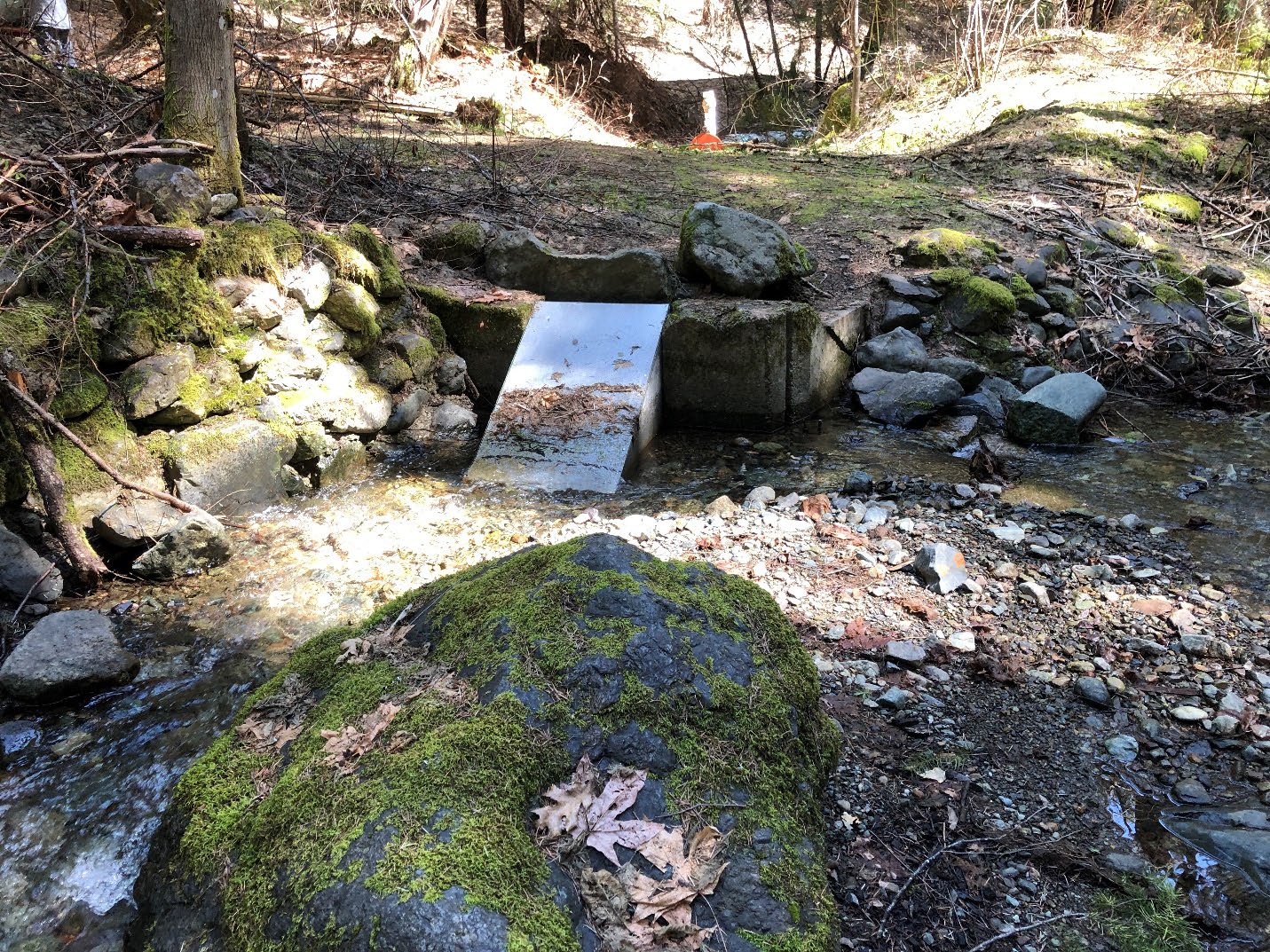
Project Description: The Evans Ranch Diversion — a channel-spanning flash-board dam on a concrete sill — created an approximately 18-inch passage barrier during low flows and posed juvenile fish impingement risk at the fish screen. CFPF funds supported engineering design of a new fish-passable diversion and fish screen to meet state and federal standards. Alongside the design work, WRTC facilitated a transition from an on-demand irrigation system to a trickle-fill system using an existing 4-acre-foot storage pond, significantly reducing diversion rates and stream flow fluctuations. A temporary water transaction was implemented in 2021 to test voluntary forbearance during low flow months, and in 2022 the diverter voluntarily ceased irrigation by early July. NEPA compliance (archaeology and botany) and a CDFW 1600 permit were in progress at report close, with a 1707 water right dedication under development to formalize instream flow protections. Project progress was complicated by three consecutive critically dry water years, wildfire smoke closures, and accidental damage to the diversion pipe by wildfire suppression equipment during the 2021 Monument Fire.
Expected Completion: Designs completed Spring 2023
Project Effectiveness:. In 2022, West Tule Creek maintained 0.5 miles of fisheries habitat through summer — an improvement over prior dry years — attributed to reduced diversions, downstream neighbor forbearance, and post-fire watershed effects. Streamflow and temperature monitoring was conducted at two sites over three years; a W3T model application showed little impact on stream temperatures from diversion operations.