Permitting Resources
There are several organizations and programs within Calfornia working on project permitting. Sustainable Conservation, a California-specific nonprofit and Forum member organization, produces permitting guidance, provides free technical assistance, and engages in policy advocacy to simplify restoration project permitting in California, making it easier and faster to engage in restoration work.
CDFW Cutting the Green Tape program is focused on improving regulatory processes and policies so that ecological restoration and stewardship can occur more quickly, simply, and cost-effectively. Learn more at CDFW Cutting the Green Tape
Accelerating Restoration

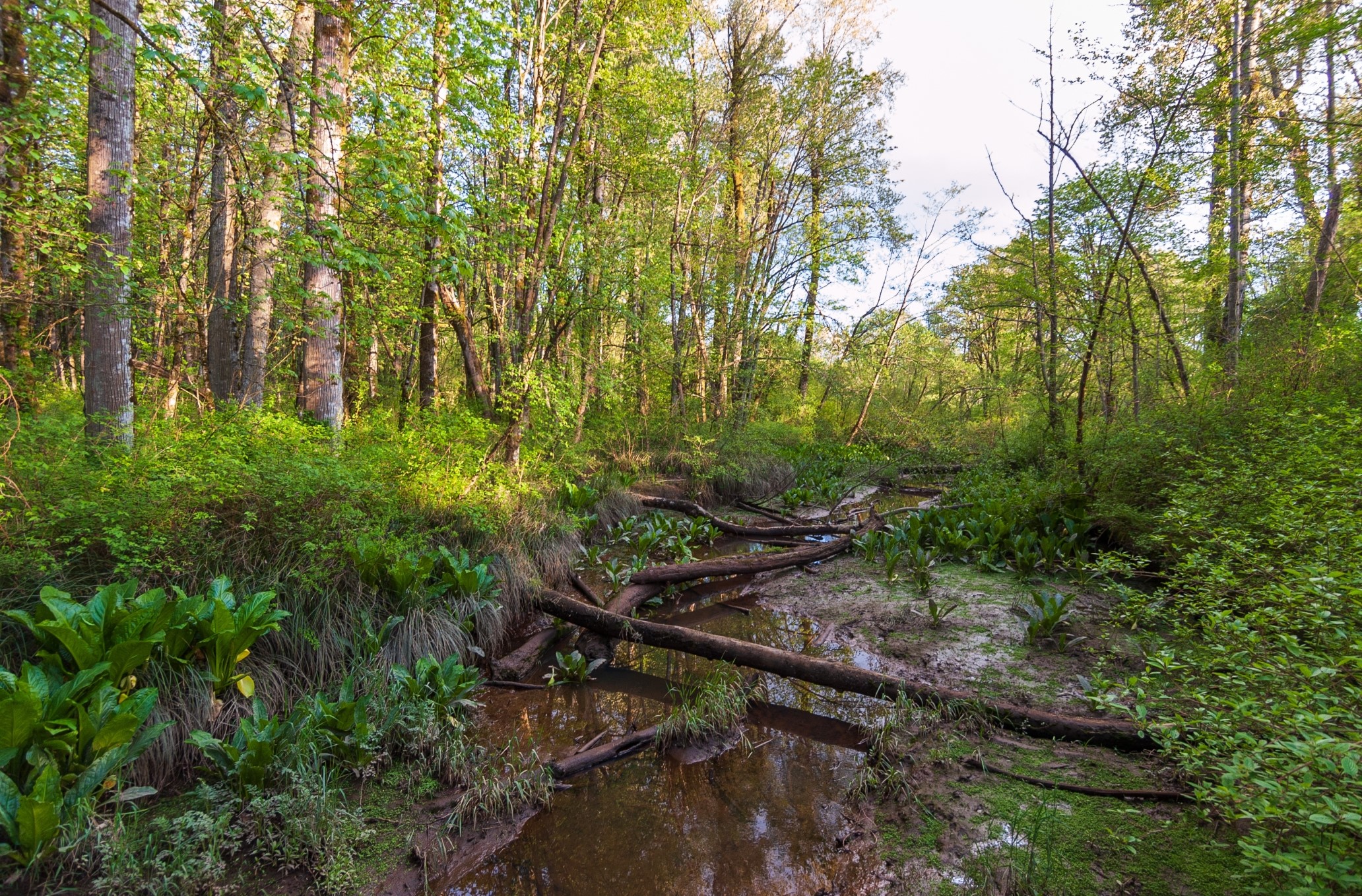
Sustainable Conservation developed Accelerating Restoration, a website designed to help restoration project proponents in California find and understand how to use efficient permitting pathways for their aquatic and riparian habitat restoration projects.
Permitting-Focused Case Studies
Sustainable conservation partnered with the Forum in 2025 to produce a suite of case studies examining how a variety of restoration projects managed the project permitting experience. Projects were chosen from around California, and each case study examines the project, its objectives and benefits, the permits used in the project, and lessons learned from the project practitioners.
When Implementation Goes Well and the Stream
has a Different Plan: Permitting for Phase 1 and
Phase 2
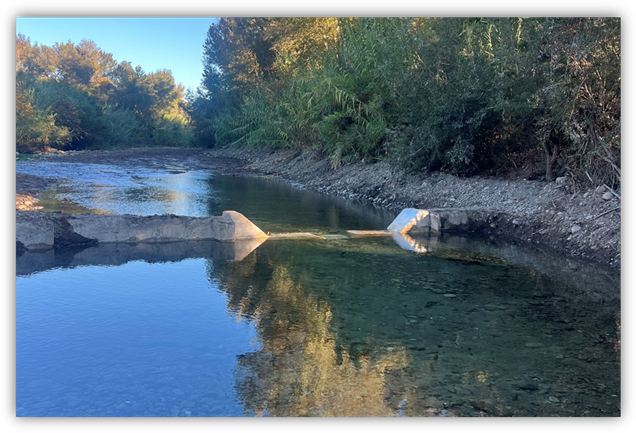
The project team for the Foster Park Fish Passage Project on the Ventura River has to navigate 2 rounds of permitting after major storms buried the notch under an estimated 6,000 cubic yards of debris just two years post-implementation. This project won the 2022 American Public Works Association Project of the Year Award.
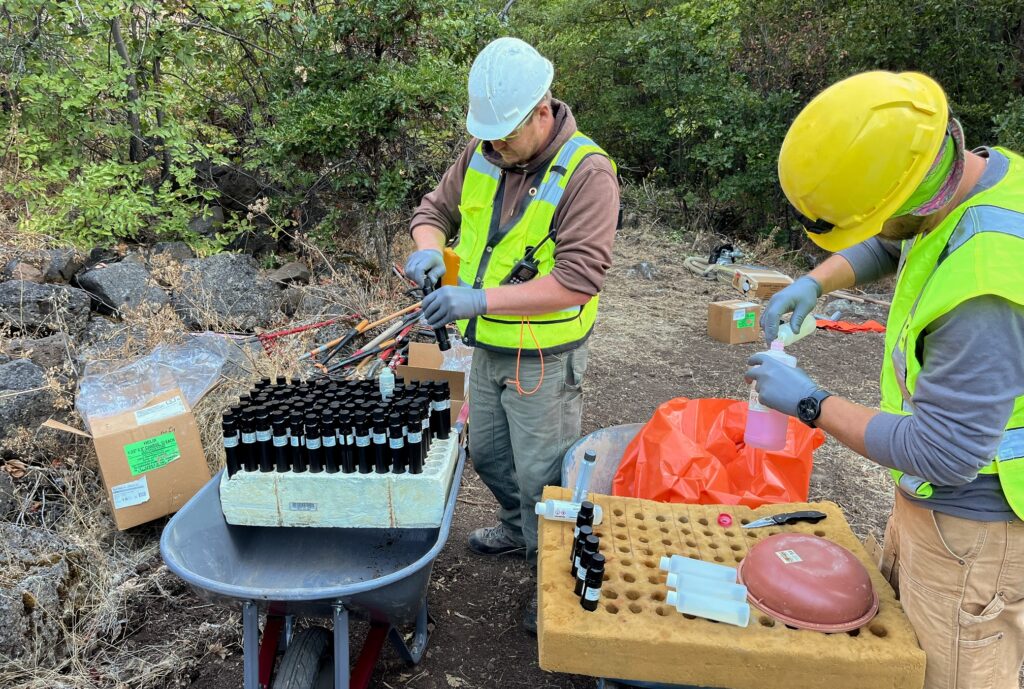
Restoration is a Blast!
A site visit with Shasta Indian Nation tribal elders was the turning point that unlocked tribal approval and moved the entire project forward for the Jenny Creek Barrier Removal- the first tributary barrier removal completed alongside the historic Klamath River dam removals.
Using the Small Project Bundle Habitat Restoration
Permits for 3 Fish Passage Projects in Northern
California
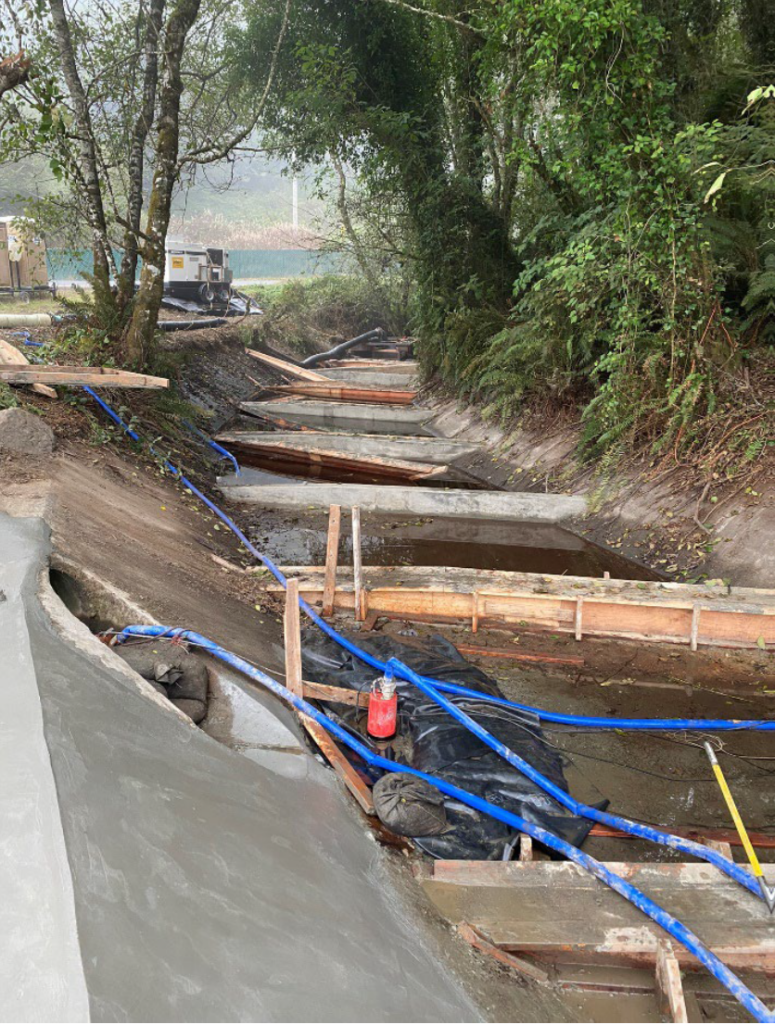
Three projects in Mendocino and Humboldt Counties use the “Small Project Bundle” of streamlined state and federal permitting pathways. On one project, TU successfully challenged a 1990s-era 30-day concrete curing standard, reducing the required stream diversion period to just 3 days through a rigorous pH monitoring plan — the first time restoration practitioners had succeeded in overturning that standard.
Finding a Working Strategy and Sticking With It:
Utilizing HREA and FRGP to Streamline Permitting
for Multiple Projects on Quiota Creek
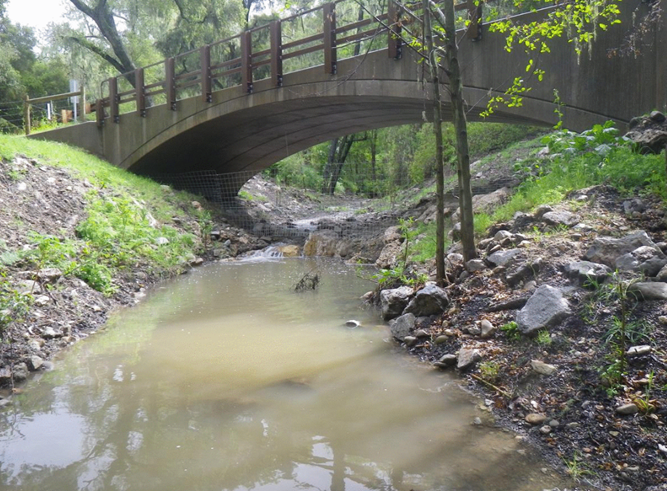
Cachuma Operations Maintenance Board used a consistent permitting strategy combining HREA and the Fisheries Restoration Grant Program (FRGP) across multiple Quiota Creek crossings, being among the very first projects to utilize the HREA pathway after it became available in 2015. Using HREA reduced permit timelines to just 30 days per crossing — a process that previously would have taken several months.
It Takes a Village: How Teamwork Makes
Restoration Work in the Sunol Valley
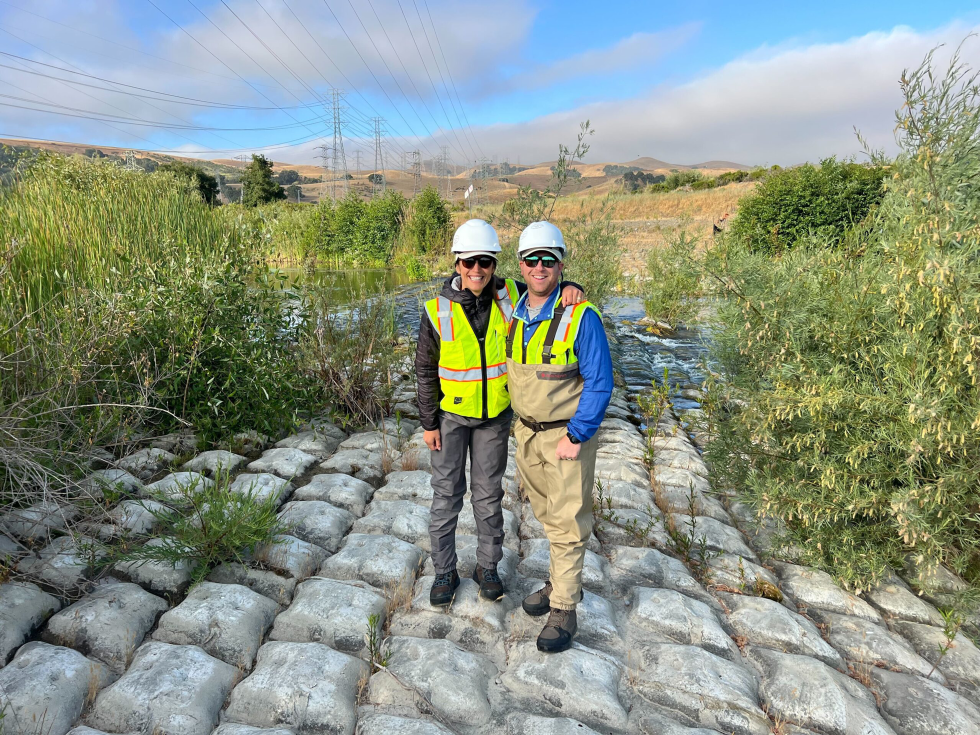
The $15 million project required relocating the pipeline 100 feet downstream and 20 feet underground, followed by full channel regrading and native revegetation, all on land owned by the San Francisco Public Utilities Commission. The 401 Water Quality Certification — the final and most critical permit — was issued only days before construction was set to mobilize, keeping the team on edge!
Lastest News
Get Involved!
Learn about restoration funding and connect with fish passage experts at a California Fish Passage Forum Committee meeting.