Fish Passage Assessment
Assessment Methods
CDFW Full Assessment Protocol
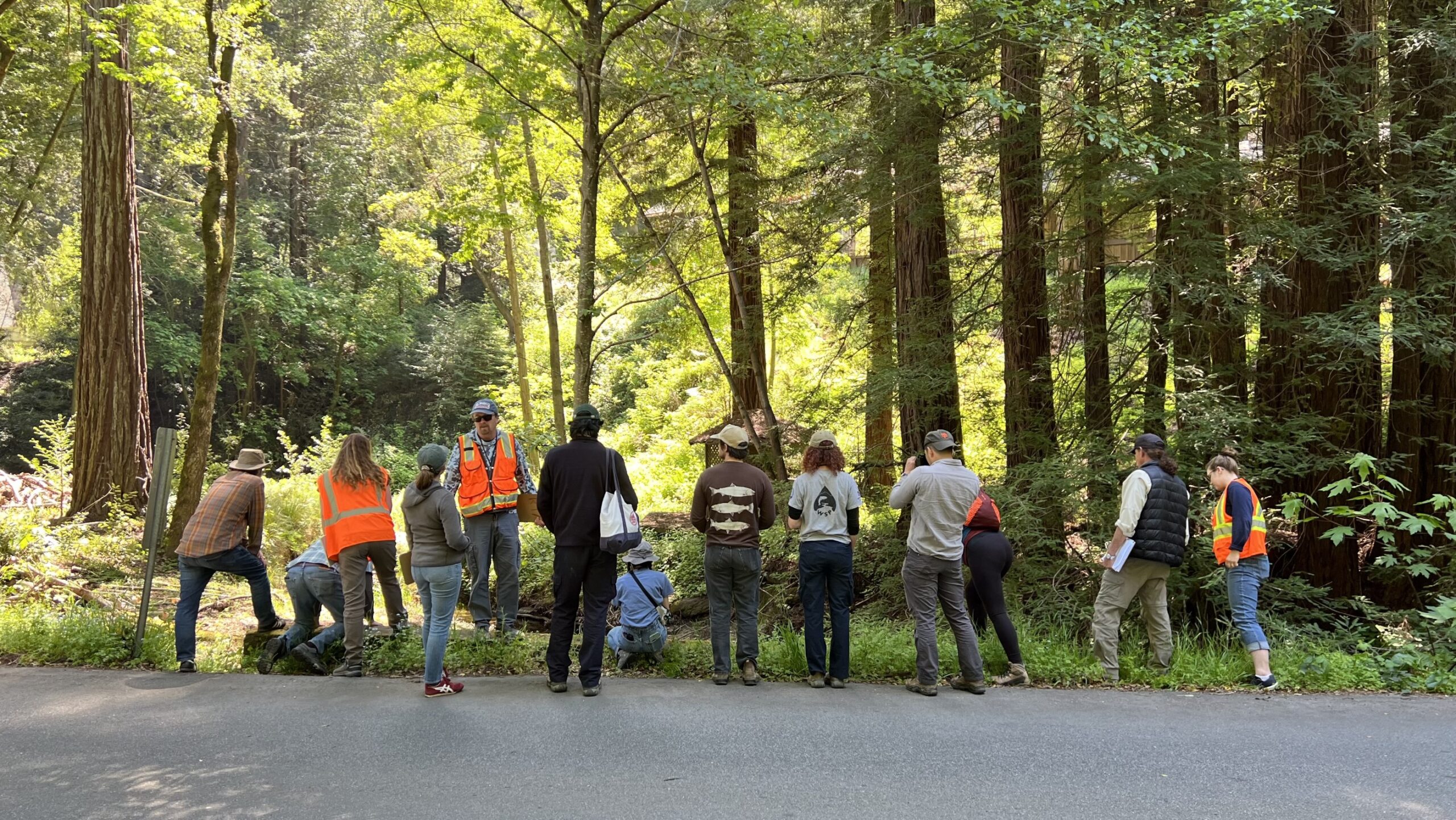
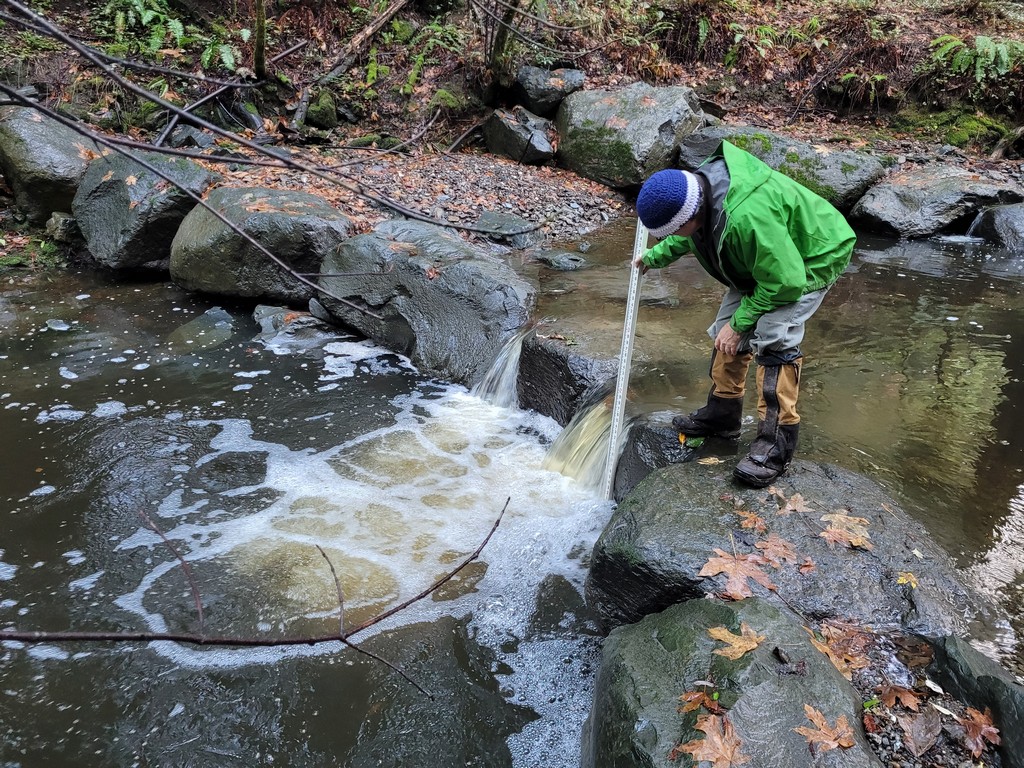
This is the comprehensive protocol defined in the CDFW California Salmonid Stream Habitat Restoration Manual, Part IX: Fish Passage Evaluation at Stream Crossings. This method combines detailed field measurements (crossing geometry, slope, outlet drop, water depths and velocities, substrate) with hydraulic modeling and professional judgment to evaluate whether target species and life stages can pass under a range of flow conditions.
Forum Rapid Assessment Field Form
The California Fish Passage Forum’s Rapid Assessment Form is a streamlined, fillable form designed for initial, rapid field data collection at potential barriers. Its structured, standardized fields facilitate quick and consistent entry into the Passage Assessment Database. View the fillable form here.
National Aquatic Connectivity Collaborative (NACC) Barrier Assessment Protocol
This is a standardized road-crossing survey protocol originally developed by the North Atlantic Aquatic Connectivity Collaborative (NAACC) to add data to the National Aquatic Barrier Inventory & Prioritization Tool. This method is not used commonly in California, where practitioners tend to use the California-specific CDFW protocol. Training materials and the full protocol are available at https://aquaticbarriers.org/training/
Assessment Trainings
Barrier assessment is the first step toward achieving fish passage restoration at a landscape scale — you can’t fix what you haven’t found and measured. The Forum will be developing a suite of fish passage assessment resources, helping participants to comfortably assess barriers using section 9 of the California Department of Fish and Wildlife Stream Restoration Manual, and the Rapid Assessment Protocol, designed by the Forum to efficiently collect baseline barrier data for entry into the Passage Assessment Database (PAD), and model assessment data in FishXing, 1D HEC-RAS, and 2D HEC-RAS — to support barrier analysis and restoration design.
For more information about upcoming workshops and fish passage resources, make sure you are signed up for our newsletter!
The Passage Assessment Database
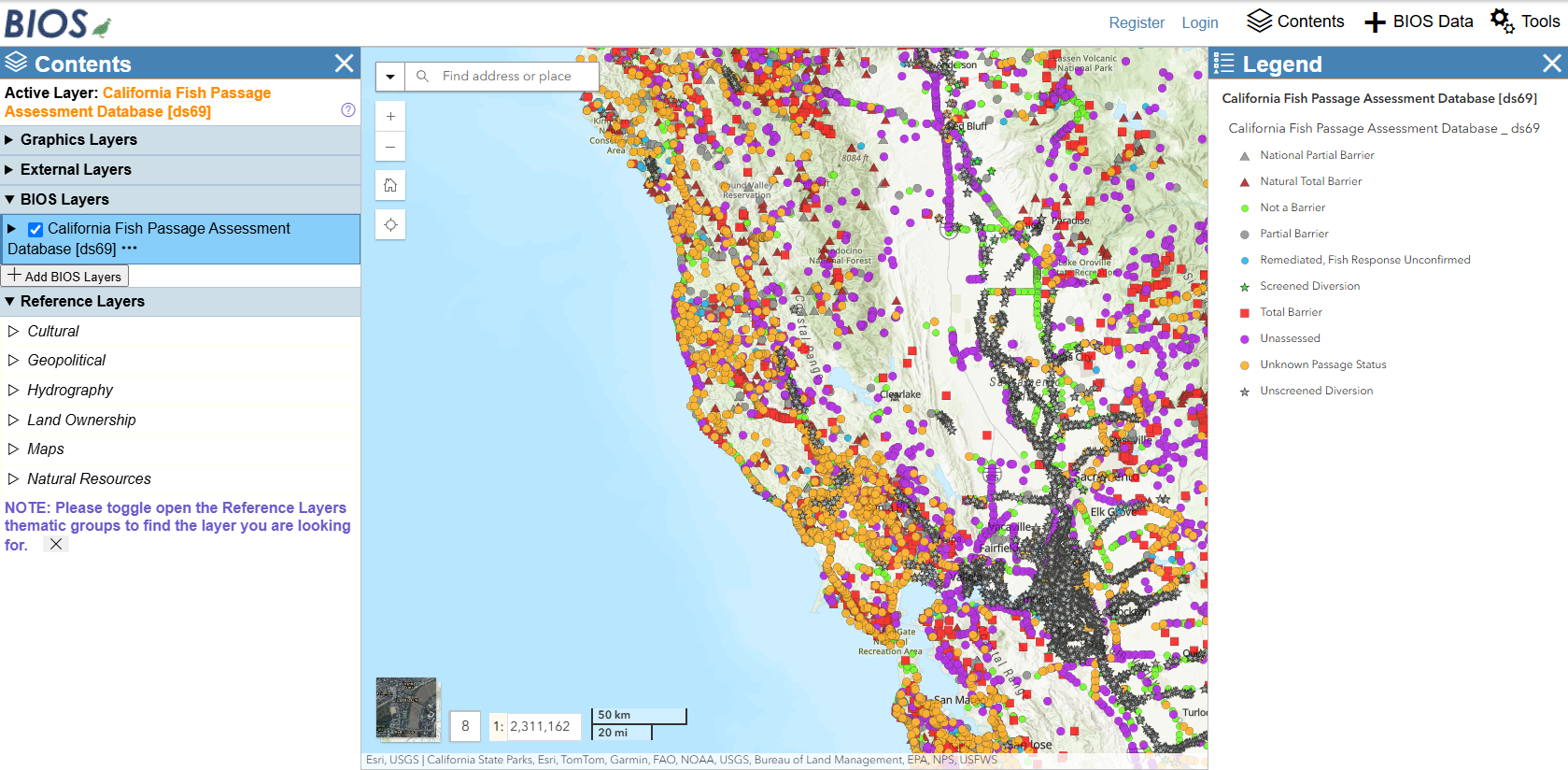
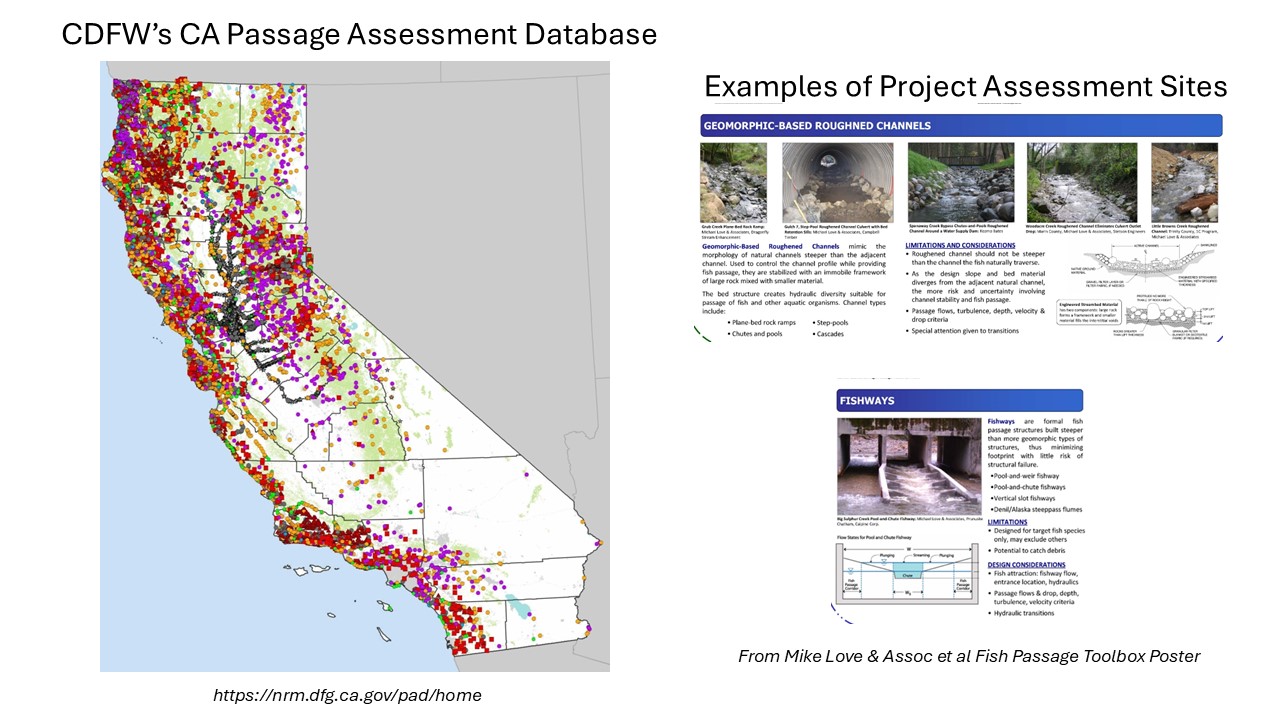
The Passage Assessment Database (PAD) is an ongoing map-based inventory of known and potential barriers to anadromous fish in California. PAD compiles data from more than one hundred agencies, organizations and landowners throughout California, and allows past and future barrier assessments to be standardized and stored at one place. Please refer to the PAD program page on Calfish.org for more information about PAD and additional resources.
Lastest News
Get Involved!
Learn about restoration funding and connect with fish passage experts at a California Fish Passage Forum Committee meeting.